
Parasocial Relationships: How Creators Should Handle Obsessive Fans

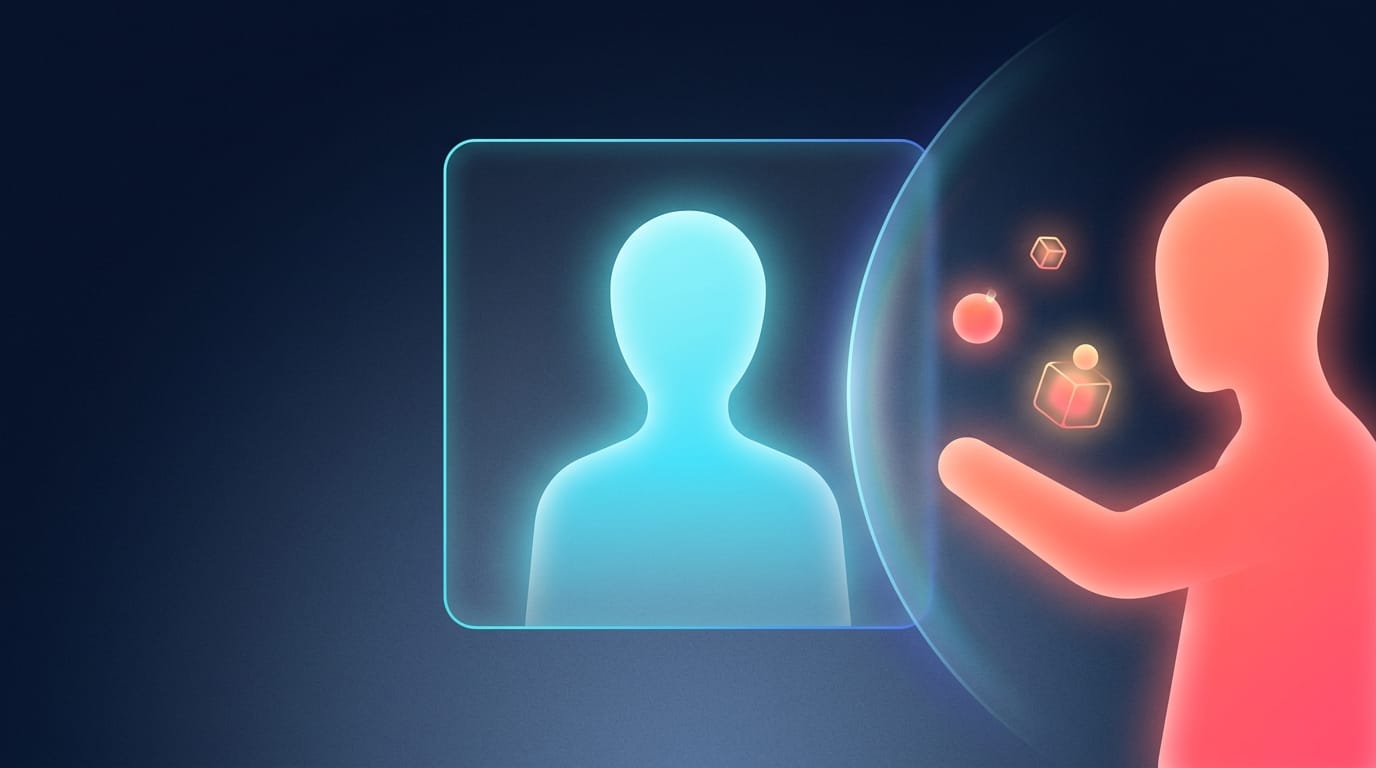
At a certain size, something strange happens. A channel that once felt like talking to an empty room develops regulars: people who know your upload schedule, your running jokes, your name. Most of that attention is the reward for the work. Then one day a payment arrives that you never asked for. Then another. And the person behind it starts to feel less like a viewer and more like someone who believes they have a relationship with you.
That exact situation surfaced on r/PartneredYoutube:
"A random viewer keeps sending me money and it's making me uncomfortable" — creator on r/PartneredYoutube
If this is happening to you, two things are true at once: the person is probably sincere, and you are allowed to feel uneasy. Here is what parasocial relationships actually are, where support shades into obsession, how to think about the money question ethically, and how knowing your most engaged viewers turns a vague worry into something you can manage.
What a parasocial relationship actually is
A parasocial relationship is a one-sided emotional bond. One person invests time, attention, and sometimes money; the other side is a stranger they see through a screen. The viewer feels genuine closeness. The creator has never met them and feels nothing of the sort.
None of this is pathological. People form parasocial attachments to creators constantly, and most are harmless: a viewer feels connected, enjoys the videos, maybe buys a membership. The problem is structural, not personal. The viewer experiences intimacy; you experience a stranger. Trouble starts when the viewer stops behaving like an audience member and starts behaving like a participant in your life.
Superfans are both an asset and a risk
Here is the uncomfortable truth monetized creators eventually face: the same intensity that pays your bills can turn against you. Your most devoted fans join memberships, buy merch, and defend you in comment sections. But devotion of that depth can curdle into expectation, because repeated giving builds a sense of entitlement in some people. "I did all this for you" is one of the most frightening sentences a creator can hear.
The money side shows up in threads again and again:
"There's an old man who is constantly sending me money through different channels. I'm so uncomfortable. He thinks he's taking care of me." — creator on r/PartneredYoutube
The fear underneath is rarely about the money itself; it is about what the giver might demand later:
"he is worried one day this person will go psychotic and say 'I did all that for you and you ignore me?' Then it turns into a stalking case." — creator on r/PartneredYoutube
None of this means treating every generous viewer as a threat. Creators in the same threads say the opposite: people develop parasocial attachments all the time and want to give to the people they feel connected to. You are not obligated to psychoanalyze every gift. The goal is not suspicion; the goal is structure.
Where the line sits: normal support vs. obsession
Most fan behavior sits comfortably on the healthy side. The signals below are pattern recognition drawn from creator experiences, not a diagnosis.
| What you see | What it usually means | A reasonable response |
|---|---|---|
| Occasional Super Chat, membership, or one-time gift | Normal audience support | Say thanks publicly, move on |
| Recurring gifts with escalating amounts | Parasocial attachment deepening | Thank briefly; never trade personal access for money |
| Money arriving through multiple channels or platforms | Blurred boundaries; giver may believe a personal relationship exists | Keep gratitude public and neutral; consider refusing direct transfers |
| Comments claiming a personal connection, using your real name, or referencing your location | Elevated risk; privacy boundary crossed | Stop engaging directly, keep records, use platform moderation tools |
| Anger or guilt-tripping when you do not respond personally | Expectation mismatch turning into pressure | Restate boundaries once, calmly, without negotiating |
AI audit of any YouTube channel
Drop a competitor's URL. In 5–15 minutes, get the full breakdown of what's working, what's broken, and exactly what to film next.
- 🎯Their content ideasVideos their audience keeps asking for that they never made
- ⚠️Their weak spotsExact topics and formats where viewers tune out or push back
- 💬Audience questionsStraight from their comment section — your next 10 scripts
- 📋A ready content planRanked backlog of what to film next, pulled from real demand signal
- 🔥Their superfansWho's emotionally invested in the channel and what gets them to talk
Just a URL and an email. Report lands in your inbox.
The pattern to watch for is direction. Healthy support respects your silence. Obsessive behavior punishes it.
Boundaries that actually work
Creators who handle this well converge on the same handful of moves, boring on purpose: drama is what an obsessive dynamic feeds on, and structure is what starves it.
Route support through structured channels. Memberships, Patreon tiers, and Super Chats come with a frame: defined perks at a defined price. A direct cash transfer has no frame, and a frameless gift invites the giver to invent the terms. If someone keeps sending money outside any structure, pointing them to your membership tier is polite and clarifying. If they refuse the structure, that refusal is itself information.
Never trade personal access for money. No private conversations, no personal details, no special one-on-one gratitude, no matter the amount. The moment a payment buys closeness, you have confirmed the viewer's model of the relationship, and the price of closeness only goes up from there.
Keep gratitude brief, public, and consistent. A heart or a short public thank-you is enough. Long personal replies to large donors teach them that escalation works. Every reply signals what behavior gets your attention, and obsessive types read those signals closely.
State the boundary once, calmly, without negotiating. "I appreciate support through memberships, but I can't accept direct payments" is a complete sentence. You owe no explanation, and repeating yourself in increasing detail reads as an invitation to keep talking.
If the behavior continues after the boundary, disengage and document. Stop responding, keep screenshots and transaction records, and use the platform's moderation tools. If it escalates further, it stops being a community-management question; more below.
Know your most engaged viewers before they worry you
The hardest part is the blur. At scale you cannot track who comments on every video, whose tone is shifting, or who shows up more and more often. Anxiety fills the gap: every generous viewer becomes slightly suspect, and you either ignore real red flags or feel guilty about perfectly normal fans.
The fix is visibility. OneTube's superfans module analyzes your YouTube comments and identifies your most engaged commenters, turning "someone out there is obsessed with me" into a concrete, reviewable list. The analysis breaks comments into five intents (question, praise, criticism, suggestion, discussion) and six emotions (grateful, eager, curious, disappointed, skeptical, neutral), tracks the mix through trends, and groups the conversation into topic clusters. You see who your super-engaged viewers are, what they ask, and what they praise verbatim. Spy Mode extends the same lens to other channels.
That visibility serves both halves of this article. On the monetization side, your superfans list answers "who is ready for Patreon, early access, or a feedback group": the people already showing up everywhere. On the safety side, the same list tells you who is present in every single comment section, so no name ever surprises you. Our YouTube comment analyzer guide covers the mechanics, and what YouTube viewers want goes deeper on the engaged core.
One honest caveat, because this topic deserves it: OneTube does not solve ethical dilemmas and does not provide safety or protection from stalking. It shows you who your most engaged audience is and what they are saying; legal and safety decisions are yours, ideally with professionals when things get serious. Plans start at $9/month (Creator), with Pro at $49, Studio at $119, and Agency from $249. There is a 7-day free trial, no card required, so you can see your own superfans list before deciding anything.
When to stop handling it alone
Some situations are beyond boundaries and comment moderation. If a viewer uses your real name after you have kept it private, references where you live, shows up somewhere in person, or threatens you when the attention stops, treat it as a safety matter rather than a community matter. Document everything, use the platform's reporting tools, and involve people whose job this is, including legal counsel or law enforcement when warranted. Creators sometimes hesitate here because it feels paranoid to take a "nice" fan seriously. It is not paranoid. The creators who got ahead of these situations early are the ones who never had to write the scary thread later.
FAQ
What is a parasocial relationship in simple terms?
A one-sided bond where a viewer feels a genuine personal connection to a creator who does not know they exist. It is normal for audiences, and only becomes a problem when the viewer starts expecting the relationship to be mutual: escalating gifts, demands for personal attention, or anger when ignored.
Should I accept money from a viewer who keeps sending it?
No universal answer, but a good default is to move support into structured channels like memberships or Patreon and decline direct, frameless transfers. Structured support is ethically straightforward: the viewer gets defined perks. Unstructured, repeated cash gifts blur boundaries and can build a sense of entitlement in the giver, the exact dynamic that turns uncomfortable later.
How do I tell a supportive superfan from an obsessive fan?
Watch how the person treats your silence. A healthy superfan supports you without expecting personal access and respects stated boundaries. An obsessive pattern shows escalating gifts, claims of a personal connection, anger when you do not respond privately, and crossed privacy lines like your real name or your location.
Can OneTube detect obsessive fans or protect me from stalking?
No, and it is important to be direct about that. OneTube analyzes your YouTube comments: intents, emotions, trends, topic clusters, and a superfans list of your most engaged commenters. It shows you who is highly engaged so you can spot patterns yourself. It performs no safety functions, detects no toxicity, and gives no legal advice. Those decisions are yours, with professionals when needed.
What should I do if a fan's behavior starts to scare me?
Stop engaging directly, document the behavior with screenshots and records, and use the platform's blocking and reporting tools. If the behavior involves your real identity, your location, in-person contact, or threats, treat it as a safety issue and involve appropriate professionals. Getting ahead of it early is not an overreaction.
The takeaway
Parasocial relationships come with the territory of building an audience, and most are the benign, generous kind that makes creator economies work. The minority that turns obsessive is manageable when you have structure: framed ways to accept support, firm and boring boundaries, and visibility into who your most engaged viewers actually are. You owe no one intimacy in exchange for money. What you owe yourself is a system, so the next strange payment is a decision, not a fear.